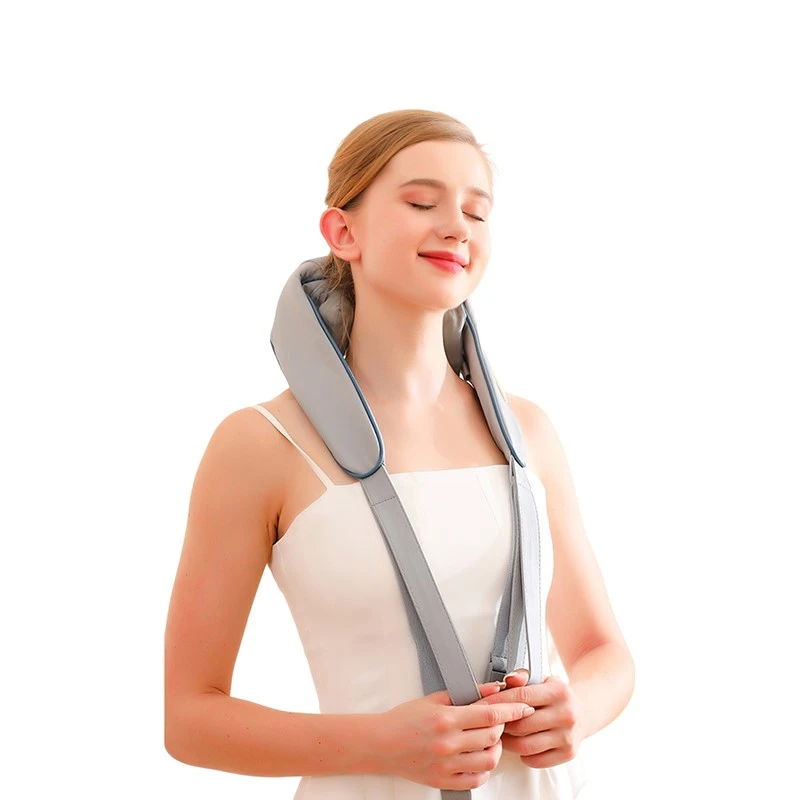

Neck massagers can be helpful in alleviating muscle fatigue and mild discomfort.
By applying physical vibrations, heat therapy, or air pressure to the neck muscles, these devices promote local blood circulation and relax tense muscles. For muscle stiffness resulting from prolonged periods of looking downward, desk work, or driving, using a neck massager may help reduce sensations of soreness and swelling. Some models feature a heating function, where warm stimulation can provide further relief for muscle spasms. These devices are suitable for addressing functional neck discomfort caused by poor posture or physical exertion.
However, neck massagers are not a substitute for medical treatment. If underlying organic conditions-such as cervical spondylosis (degenerative changes), herniated discs, or nerve compression-are present, indiscriminate use could potentially exacerbate inflammation or cause further injury. Individuals suffering from acute sprains, fractures, or severe osteoporosis should strictly avoid using these devices. The intensity and scope of a massager's action are limited, making it difficult to target deep-seated pathological tissues with precision. Furthermore, the high-frequency vibrations produced by some models may stimulate the sympathetic nervous system, potentially triggering adverse effects such as dizziness.
When using a neck massager, it is essential to limit each session to 10–15 minutes to avoid subjecting a single area to prolonged pressure. These devices should not be used by individuals with skin abrasions, infections, or implanted cardiac pacemakers. When selecting a product, prioritize those bearing medical device certification and avoid purchasing uncertified or unregulated items. If you experience worsening pain, numbness, or restricted mobility after use, discontinue use immediately and seek medical attention. For daily care, consider incorporating neck stretching exercises and maintaining proper sitting posture to address the root causes of neck strain.