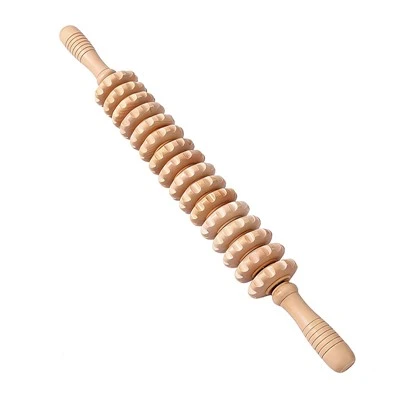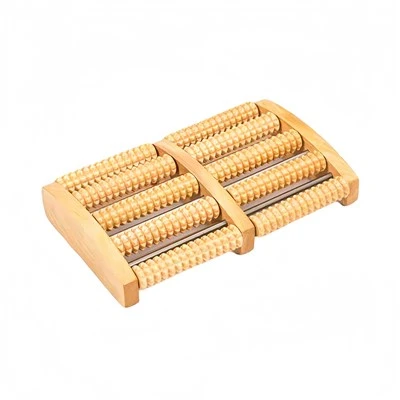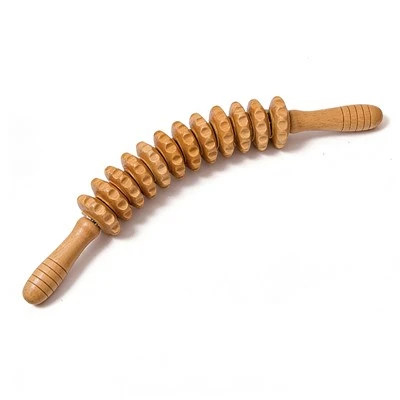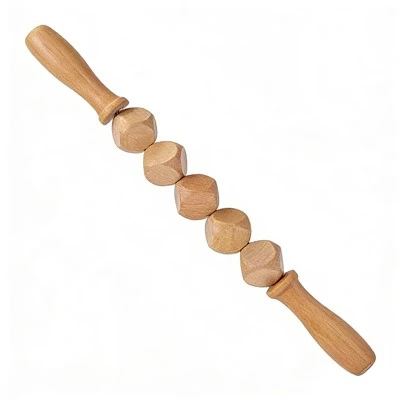

A massage gun is a tool designed to achieve deep muscle relaxation through high-frequency vibrations and adjustable pressure. Its primary functions include alleviating post-exercise soreness, improving blood circulation, and enhancing muscle flexibility, making it suitable for applications such as athletic recovery and daily relaxation. When using the device, it is essential to carefully control both the intensity and duration to prevent injury.
Deep Muscle Relaxation
Massage guns utilize high-frequency vibrations-typically ranging from 2,000 to 4,000 pulses per minute-to penetrate superficial muscle layers and reach deep fascia and muscle groups. This action helps release adhesions and knots, thereby relieving stiffness caused by prolonged sitting, physical exertion, or muscle strain. The intensity is adjustable to accommodate individuals with varying pain thresholds, offering a more precise and efficient solution than manual massage.
Alleviating Soreness and Promoting Recovery
Following physical activity, muscles are prone to soreness due to the accumulation of lactic acid and microscopic tissue damage. The localized vibrational stimulation provided by a massage gun accelerates the elimination of metabolic waste and boosts blood circulation, thereby shortening the recovery period. For instance, applying continuous vibration to large muscle groups-such as those in the thighs and calves-can effectively alleviate Delayed Onset Muscle Soreness (DOMS).
Enhancing Joint Flexibility and Range of Motion
Chronically tight muscles and fascia can restrict joint movement. By relaxing the fascial layers and improving muscle extensibility, a massage gun helps enhance overall flexibility and athletic performance. For example, using a ball-shaped attachment on the shoulder and neck area can help relieve stiffness and increase the range of motion in the cervical spine.