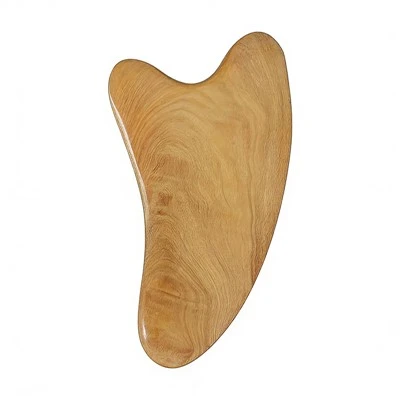

The comb is a tool primarily designed for grooming hair; crafted from materials ranging from wood and horn to jade, combs are broadly categorized into five main types: utilitarian, artistic, therapeutic, and others. According to historical records, the origins of the comb can be traced back to the era of the Yellow Emperor, when his consort, Fang Lei, inspired by the structure of fish bones, created the very first wooden comb. Beyond the basic function of detangling hair, the teeth of a comb can stimulate acupoints on the scalp to promote blood circulation; moreover, different materials offer distinct therapeutic benefits-ox-horn combs are believed to dispel internal heat, while peach-wood combs are traditionally thought to ward off evil spirits. In traditional Chinese culture, the comb is regarded as a token of love; presenting a comb during the Qixi Festival symbolizes a wish for the couple to "grow old together," while the ritualistic hair-combing ceremony performed for a bride before her wedding carries profound blessings for her future.
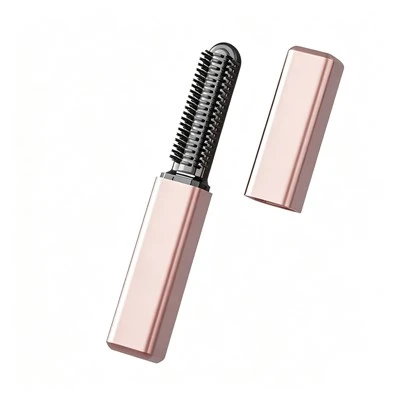
Bone combs first appeared as early as the Neolithic era, and by the Shang and Zhou dynasties, they had evolved into ceremonial objects, such as jade combs. During the Tang dynasty, the custom of wearing combs as hair ornaments became highly fashionable, exemplified by gilded bronze combs featuring intricate patterns; in the Song dynasty, the craftsmanship of jade combs reached new heights with exquisite openwork carving, incorporating auspicious motifs such as peonies. During the Ming and Qing dynasties, comb-making became increasingly refined as a specialized craft, with the combs and fine-toothed combs of Changzhou emerging as a representative example of intangible cultural heritage. Modern combs have embraced technological advancements; for instance, straightening combs utilize temperature-control technology to integrate styling with hair care, while "Princess Combs" employ flexible bristles to minimize hair breakage.