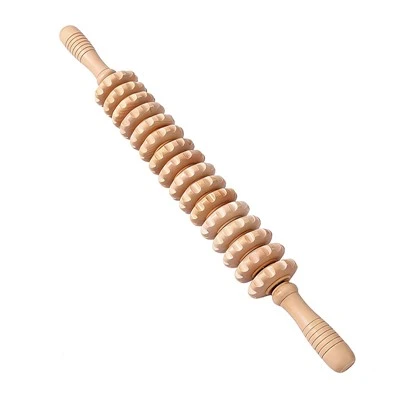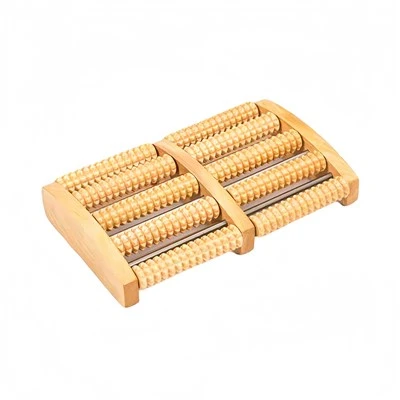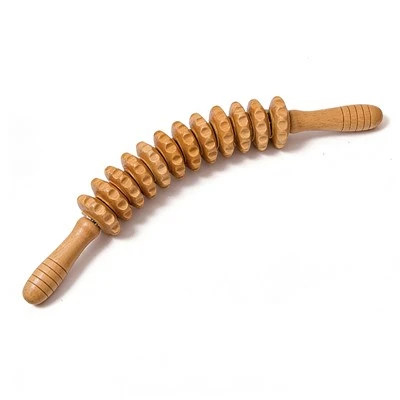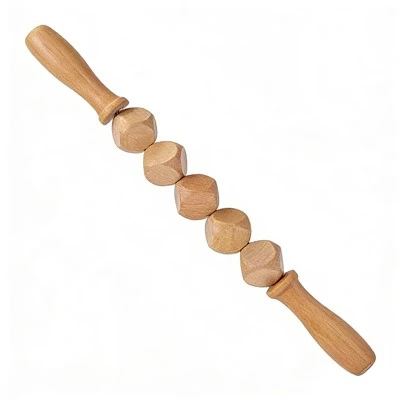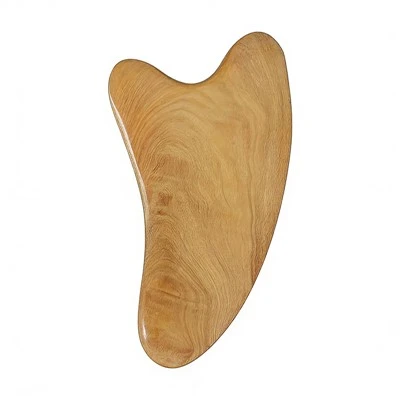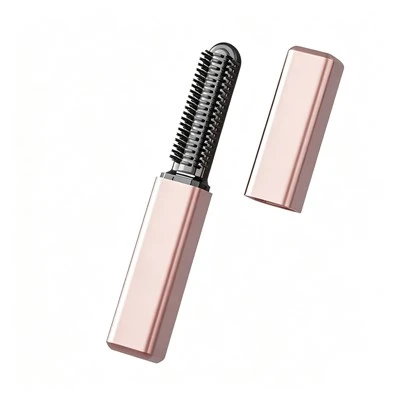

Combs are categorized into five major series-practical combs, ornamental combs, travel combs, high-end luxury combs, and therapeutic combs-encompassing over 300 distinct varieties. Their designs feature a wide array of shapes, including human figures, birds and flowers, crescent moons, slender bars, handled styles, and intricate inlaid patterns. Varying greatly in size and form, some are several feet long, while others measure barely an inch. They can be carried for daily grooming-morning and evening-or displayed in a room as objects of aesthetic appreciation and contemplation.
Hair grooming is an integral part of personal grooming; moreover, proper hair combing serves to enhance one's appearance, protect the hair, and promote brain health. The head is regarded as the "Summit of All Yang"-the convergence point for the body's twelve main meridians and eight extraordinary meridians. The head contains dozens of acupoints-accounting for approximately one-quarter of all acupoints in the body-as well as over a dozen specific stimulation zones; consequently, the act of combing one's hair possesses significant therapeutic benefits. During the combing process, stimulating specific acupoints-such as *Baihui*, *Sishencong*, and *Shangxing*-increases blood flow to the hair roots, boosts the activity of melanocytes (pigment cells), and increases the number of melanocytes within the hair bulbs, thereby replenishing the "nutrients" essential for maintaining dark, lustrous hair.
Furthermore, the human scalp is richly populated with blood vessels, nerves, sebaceous glands, and sweat glands. Combing not only removes dandruff and oily residue but also, as the comb's teeth gently glide back and forth across the head, stimulates nerve endings. This stimulation, mediated through the cerebral cortex, helps regulate the cranial nervous system, relieves tension in the head, and promotes blood circulation, thereby ensuring that the hair follicles, sebaceous glands, and sweat glands receive ample nourishment.
Regarding the choice of material, plastic is generally considered unsuitable; Traditional Chinese Medicine (TCM) advocates for wooden combs-particularly those crafted from jujube wood or boxwood-as the superior choice. For those seeking a more luxurious option, combs made from ox horn or jade offer benefits extending beyond mere hair care to encompass broader physical well-being. For instance, ox horn combs are believed to possess therapeutic properties that help clear internal heat and reduce inflammation, while frequently using a peach wood comb is traditionally thought to ward off evil spirits.
Keratinous materials (such as horn) are recognized within TCM as having medicinal properties; thus, combs crafted from such materials represent an exceptional choice for nurturing and protecting the health and beauty of one's hair. Combing the hair with a horn comb offers a range of unique health benefits: it effectively removes dirt and impurities without clinging to the strands; it relieves itching without causing pain; and it glides smoothly through the hair without snagging. Furthermore, it accelerates blood circulation in the scalp, boosts immunity, reduces inflammation, cools the blood, alleviates pain and itching, prevents static electricity, helps prevent hair loss, eliminates dandruff, nourishes the hair, relaxes muscles and promotes blood flow, calms the nerves, supports brain health, and stimulates hair growth.